
Your first visit to a Niagara winery can feel a little like walking into a restaurant where everyone else already knows the menu. The good news is that tasting rooms here are relaxed, and staff are used to guiding people who have never done this before.
This guide walks you through what actually happens at a Niagara tasting, how to book, how to pace yourself across a day and a few simple habits that make the experience more enjoyable. When you are ready to plan the route itself, our complete Niagara-on-the-Lake winery day guide picks up where this one ends.
Quick answer: A typical Niagara wine tasting is a short flight of about four small pours, often served at a table or bar over roughly 45 minutes, and most wineries charge a tasting fee. Book ahead for weekends, groups and harvest season, bring photo ID (you must be 19 or older), eat before you start and plan on three or four wineries in a day. Taste from light to full-bodied, use the dump bucket without embarrassment, and arrange a designated driver or a chauffeur so nobody has to drive after the last pour.
What Happens at a Niagara Wine Tasting
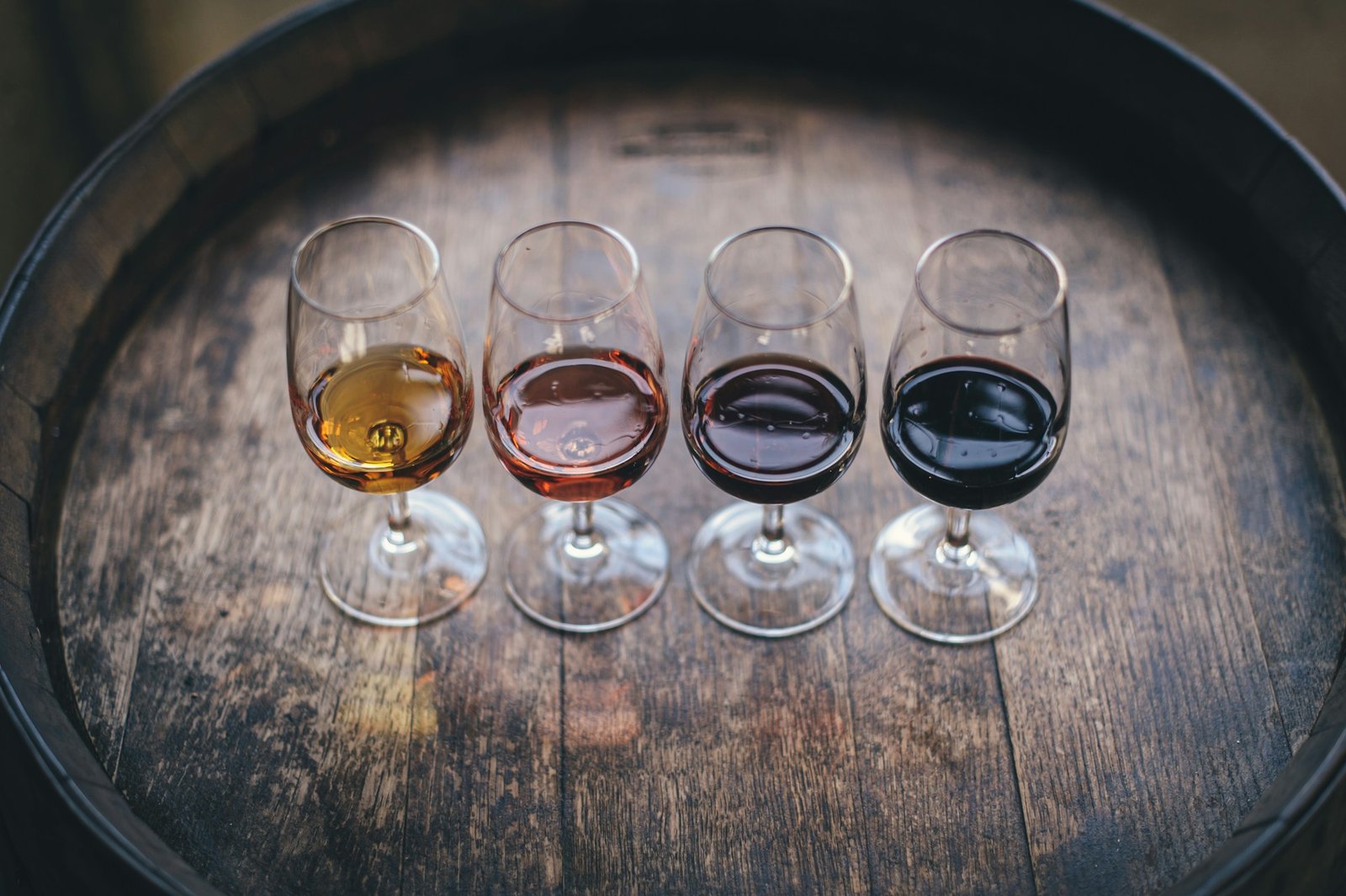
Most wineries in the region offer a tasting flight: a small set of wines chosen by the staff or by you from a list. Four pours is a common format, and some places offer five. Each pour is a sip or two rather than a full glass, so a whole flight usually adds up to less than one standard serving of wine.
Many tasting rooms now run seated experiences that last around 45 minutes, where a host explains each wine, the vineyard it came from and how it was made. Others still have a standing bar where you move at your own pace. Some add a food pairing or a cellar or vineyard walk.
Tasting Fees
Expect to pay for most tastings. Prices depend on the winery, the number of wines and whether food or a tour is included, and premium or reserve flights cost more. Some wineries offer free tastings to their wine club members, and policies on fees and bottle purchases differ, so ask when you book rather than assuming.
ID and Age Rules
Ontario’s legal drinking age is 19, and wineries can ask anyone in your group for photo ID before pouring. Some seated tastings are limited to guests 19 and older, and some offer a non-tasting seat for designated drivers. If you are bringing anyone under 19, check each winery’s policy in advance.
How to Book Your First Tastings
Walk-ins may work on a quiet spring weekday, but Saturdays, long weekends and the fall harvest fill up, and many tasting rooms now work mostly from online reservations. A simple routine helps:
- Pick your wineries first. Three is a comfortable number for beginners, four if you keep to a schedule.
- Reserve each tasting with a time. Leave about an hour per winery, plus driving time between them.
- Book lunch separately. Winery restaurants and patios fill up, especially for groups.
- Read the fine print. Note the arrival window, cancellation rules and any limits on group size or pets.
Booking for eight or more people? Group tastings often have their own rules and need more notice. Our guide to planning a winery tour with a group covers that step by step.
Tasting Tips for First-Timers
Go From Light to Full
Flights are usually poured in an order that runs from sparkling and crisp whites to richer whites, rosé, lighter reds, fuller reds and finally sweet wines. Following that order keeps a bold red from overpowering a delicate white. If you build your own flight, use the same logic.
Look, Smell, Sip
You do not need special vocabulary. Look at the colour, give the glass a gentle swirl, smell it, then take a small sip and let it sit on your tongue for a moment. Is it fruity or earthy, light or heavy, sweet or dry? Telling the host what you like is the fastest way to find a bottle you will enjoy, and staff are happy to answer questions.
Use the Dump Bucket
Tasting bars almost always have a bucket or spittoon for pouring out what you do not want to finish, and using it is normal, not rude. Experienced tasters do it all the time to stay sharp through the last stop.
Niagara Wine Basics Worth Knowing
A little background makes the labels and the conversation easier to follow.
| Term | What it means for you |
|---|---|
| VQA | Vintners Quality Alliance. A VQA Ontario label means 100% Ontario-grown grapes and a quality-assurance program. |
| Appellation | The official growing area on the label. The Niagara Peninsula contains two regional appellations, Niagara-on-the-Lake and Niagara Escarpment. |
| Sub-appellation | A smaller area within those two, such as Four Mile Creek, St. David’s Bench, Niagara River or Niagara Lakeshore near Niagara-on-the-Lake, or Beamsville Bench and Twenty Mile Bench on the escarpment. |
| Cool-climate grapes | Niagara is known for Riesling, Chardonnay, Cabernet Franc, Pinot Noir and Gamay, as well as sparkling wine. |
| Icewine | A sweet dessert wine pressed from grapes frozen on the vine, often made from Vidal or Riesling. It is usually poured last. |
Curious about the quieter wineries on the escarpment? Our Twenty Valley winery day guide covers Beamsville, Vineland and Jordan.
How to Pace a Day of Wine Tasting
Small pours add up over a day. These habits help:
- Eat a real breakfast and plan lunch around the second or third stop.
- Drink water between every tasting; ask for a glass at each stop.
- Keep it to three or four wineries. More than that usually means rushed tastings and a tired group.
- Share a flight if you want to try more wines without drinking more.
- Add a non-wine stop, such as a walk through Old Town Niagara-on-the-Lake.
Want to see the Falls on the same trip? Our one-day Niagara Falls and wine country itinerary shows how to fit both into a single day.
What to Wear and Bring
- Photo ID for everyone who plans to taste.
- Comfortable flat shoes for gravel paths, cellar stairs and vineyard walks.
- A light layer: barrel cellars stay cool even on a hot day.
- Room in the vehicle for the bottles you buy, or ask the winery about shipping.
Dogs are welcome at some wineries and not allowed inside at others, so check before bringing a pet.
When to Go for Your First Tasting
Spring and early summer weekdays are the most relaxed time to learn; summer weekends are lively, and fall harvest is the busiest season. In November 2026, the Niagara-on-the-Lake winery association’s Taste the Season pass runs Friday to Sunday from November 6 to 29, with a food and wine pairing at each stop; each visit is booked ahead, and most guests plan three or four stops a day. In winter, icewine takes centre stage, and our icewine trip guide covers the January 2027 festival. For weather and crowds month by month, see our season-by-season guide.
Getting Between Wineries
Niagara’s wineries are spread along country roads. If one person in your group drives, that person should skip the tastings. With a chauffeur, everyone can taste and nobody has to find parking.
Our 8-hour wine tour rates start at $799 plus HST for a sedan; rates rise in the busy season and 407 ETR tolls are extra. Tours are transportation only: you choose the wineries and book the tastings and meals, and we plan the route and timing around your reservations. Compare vehicles on our Fleet page, or see Sprinter Van Rentals and Party Bus Rentals for larger groups. Celebrating something? Our birthday and bachelorette planning guide has ideas for the whole day. Bottles you buy stay sealed on board; alcohol is allowed only on a private party bus charter when every passenger is 19 or older. We pick up across the Niagara Region, Hamilton, Mississauga and Toronto; see Areas We Serve.
Frequently Asked Questions
Do I need a reservation for a Niagara wine tasting?
Not always, but it is strongly recommended on weekends, holidays and during the fall harvest, and many tasting rooms now work mostly from online bookings. Groups should always book ahead.
How much wine is in a tasting flight?
A typical flight is about four small pours, sometimes five. Each pour is a sip or two, so a full flight is usually less than one standard glass of wine.
Is it rude to pour out wine at a tasting?
No. Dump buckets are there for exactly that purpose, and experienced tasters use them all the time to stay sharp across several wineries.
How many wineries should first-timers visit in one day?
Three wineries plus lunch is a comfortable plan for most first-timers, and four works if your group keeps to a schedule. More stops usually mean rushed tastings.
Are tasting fees included in a chauffeured winery tour?
No. Our winery tours are transportation only. You book and pay for tastings, meals and wine purchases directly with each winery and restaurant, and we plan the route around your reservations.
How We Put This Guide Together
This guide was written by the Niagara Tours Limo team. Niagara Tours Limo is operated by VVIP Toronto Limo, which has served the Greater Toronto Area since 2015. In October 2026 we reviewed Wine Country Ontario’s explanation of VQA, Destination Ontario’s guide to Niagara’s appellations and sub-appellations, the Niagara-on-the-Lake winery association’s 2026 Taste the Season details and the booking pages of several Niagara-on-the-Lake tasting rooms for current tasting formats, age rules and reservation practices. Tasting fees, hours and policies change often, so confirm details with each winery before you go.
Last reviewed: October 29, 2026.
Ready for Your First Winery Day?
Send us your date, headcount, pickup address and the wineries you have booked, and we will suggest a vehicle and timing that suit your day. See Niagara Wine Tours for vehicles and 8-hour rates, Request a Quote online, or call (289) 402-3898.